
.png)
.png)
.png)




.png)

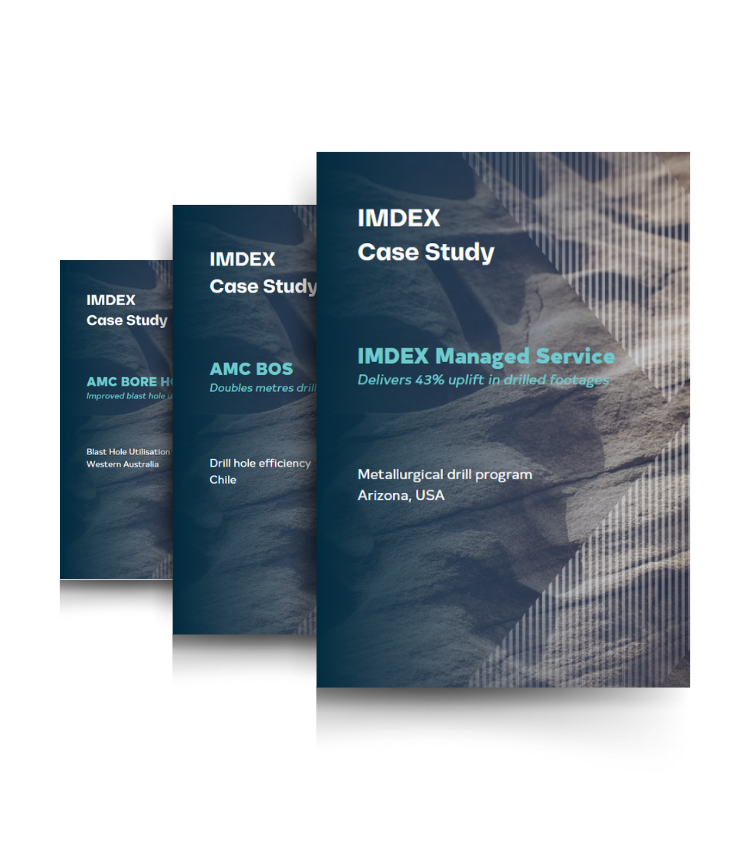
How surveying reduced drill and blast costs by $600,000 USD and improved dilution by over 10%.
Unplanned blast hole deviation was causing over-break, under-break, fragmentation and dilution at this site in Chile. Reduced efficiency in ore recovery required corrective measures such as operational slots, in turn significantly increasing operating costs.
They were surveying blast holes but not effectively. Magnetic survey tools were generating inaccurate results and increasing operational complexity due to the requirement for cranes and additional personnel.
In cases of significant borehole deviation, blast efficiency was dropping to 65%, and dilution was increasing from the planned 1.0m up to 1.5m.
The solution.
IMDEX's OMNIxBOLT was implemented in the mine’s daily operations. The goal was to improve extraction, dilution, measurement efficiency and risk reduction indicators for operators.
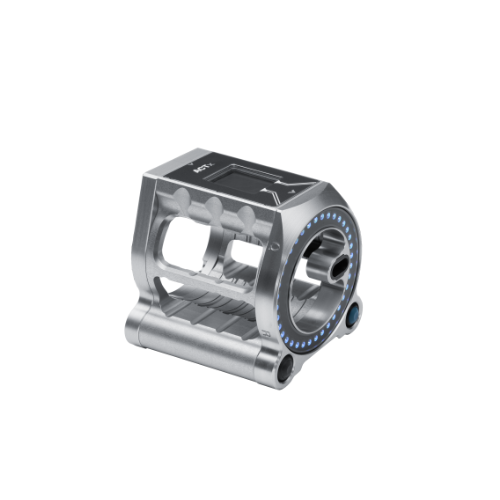
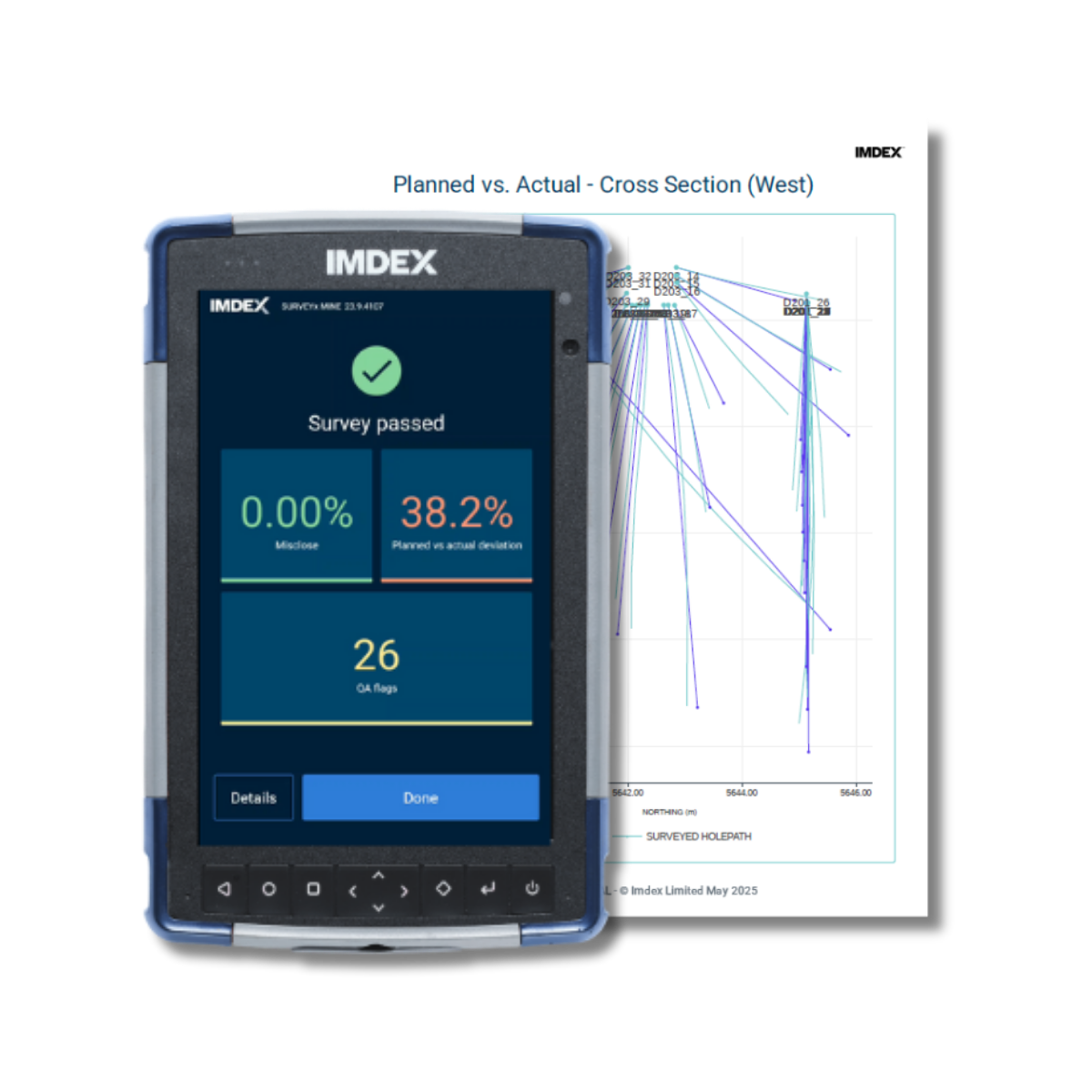
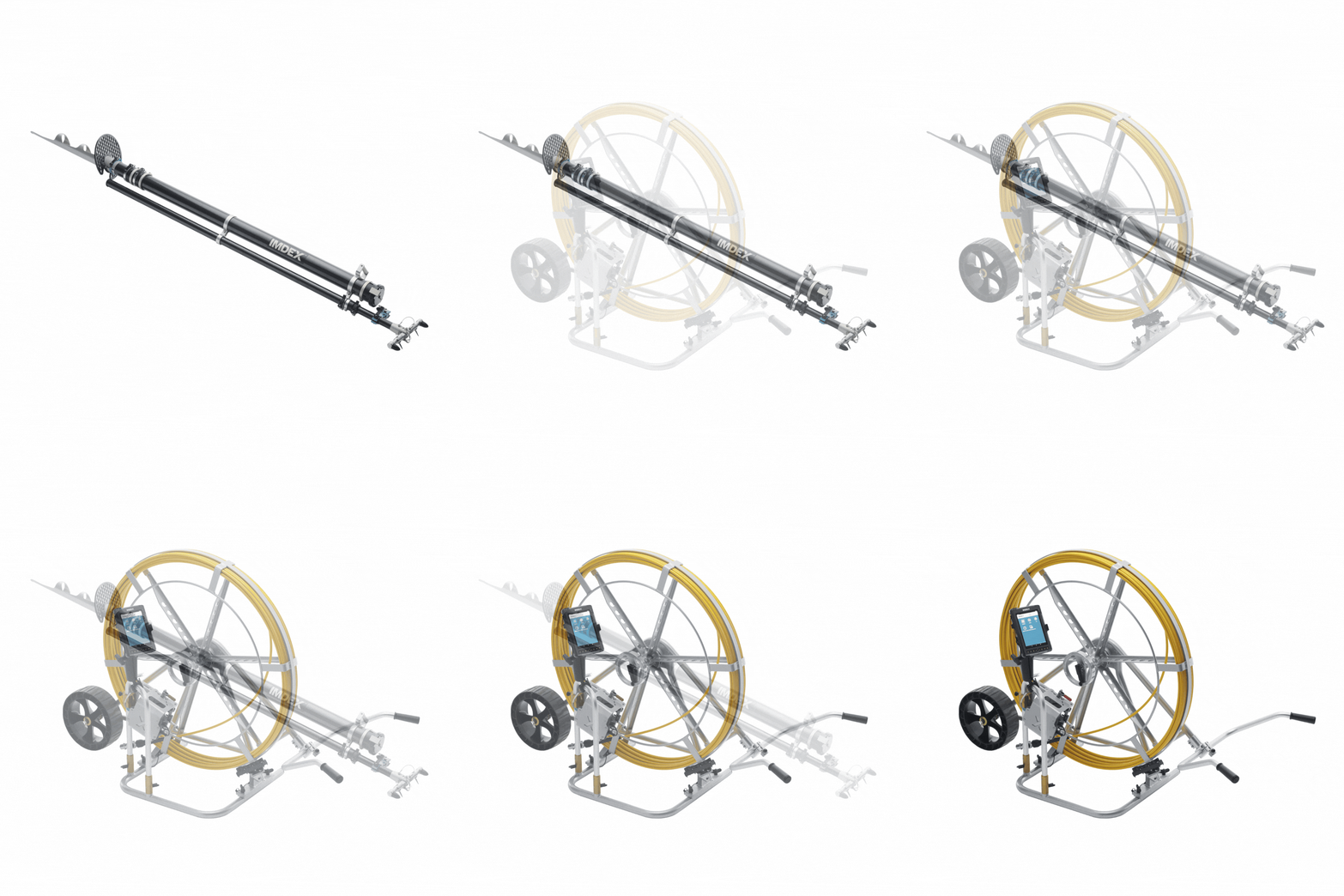
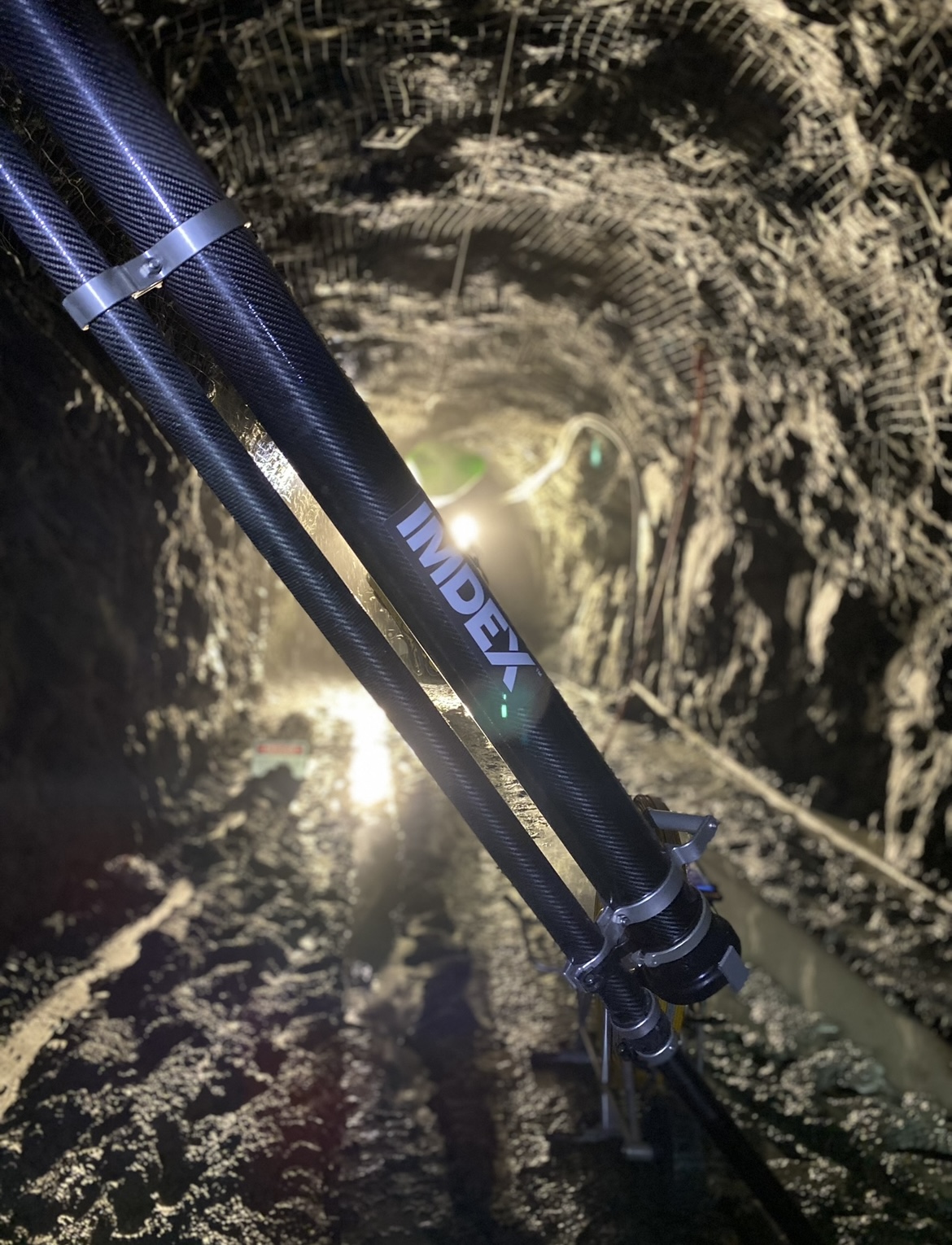
Combining a high-precision, north seeking gyro with a custom, manual deployment system and intuitive software, OMNIxBOLT delivered them a blast hole survey solution that was speedier, easier to use and much more accurate.
Blast hole data they could act on immediately
Surveys would be up and running in minutes, in the data formats they required.
North-seeking gyro with precise centralisation
High accuracy, continous measurements in challenging conditions. No magnetic interference or risk of poor data quality.

Safer, easier deployment
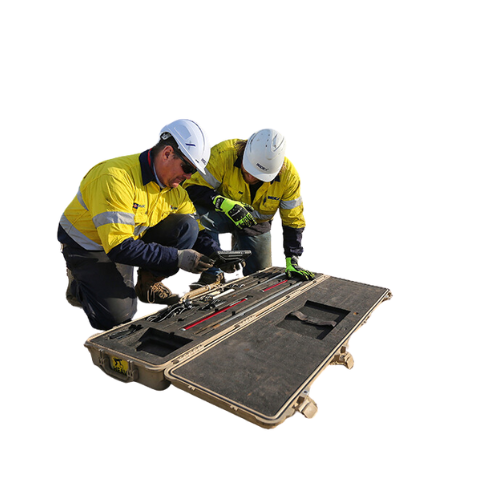
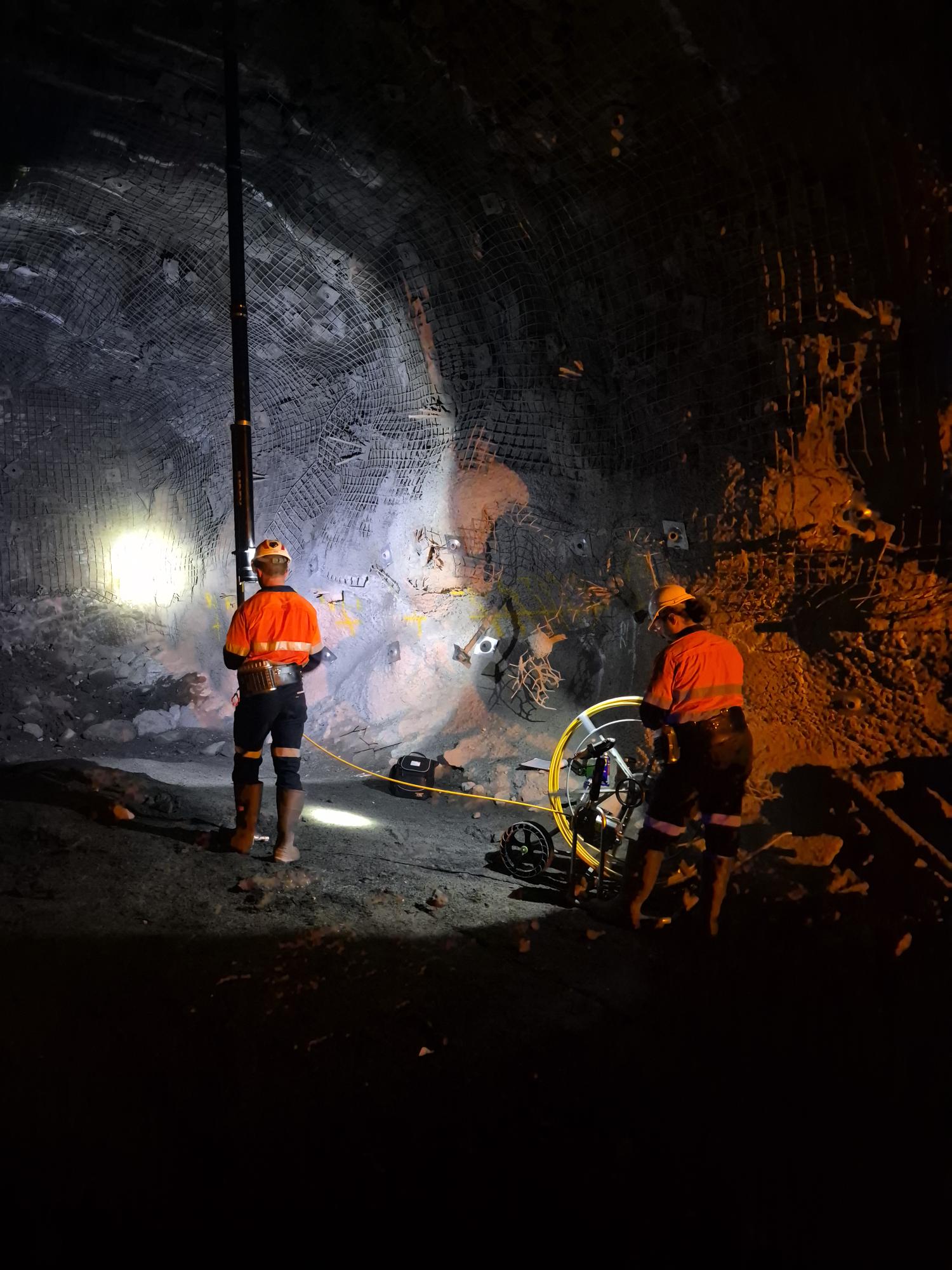
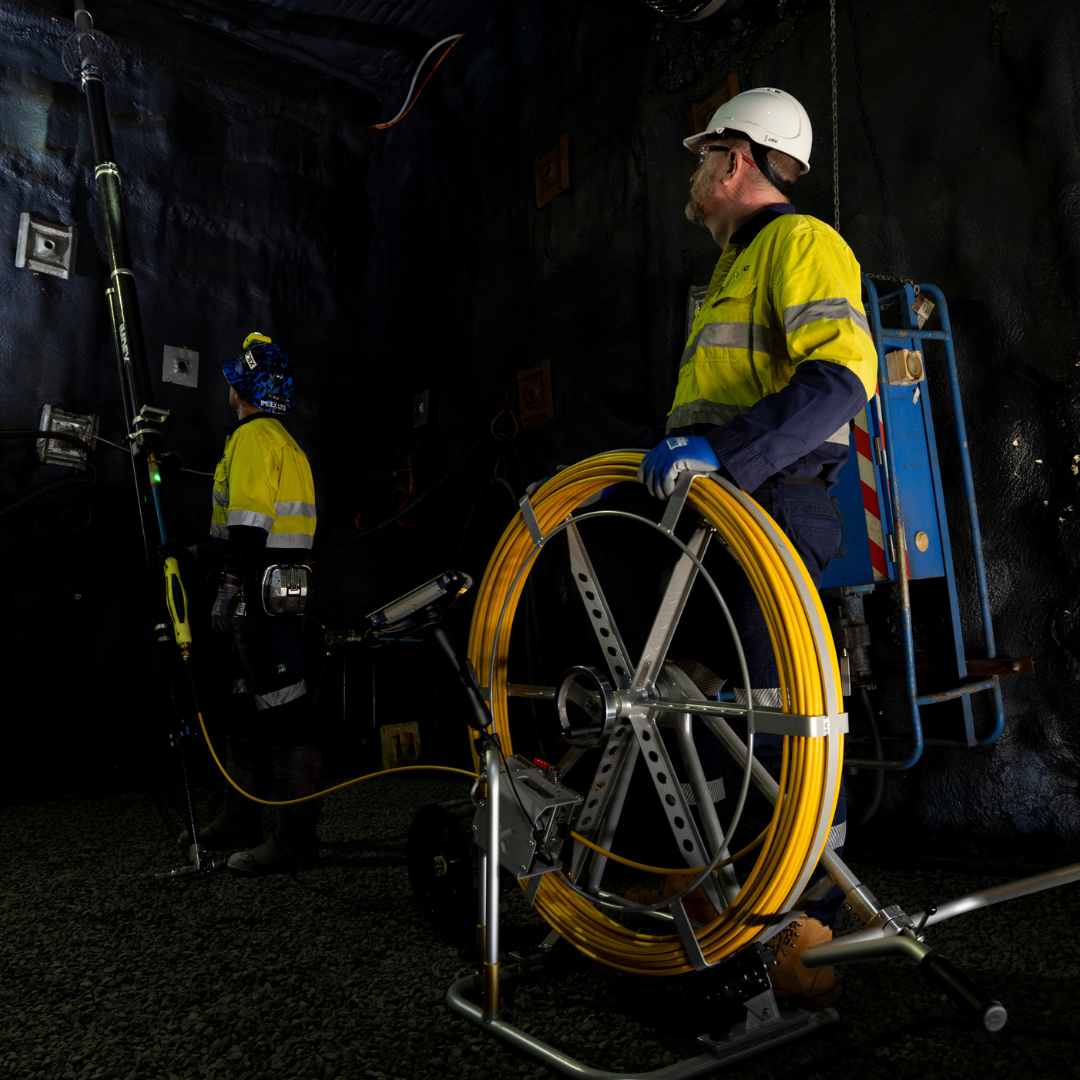
They no longer needed elevating work platforms or cranes. Only two operators would be required to perform the surveys.
The results.
The transition to OMNIxBOLT delivered unprecedented accuracy in hole measurement that revolutionised the mine’s drilling and blasting processes. Failed blasts and operational slots were minimised, reducing operating costs by $500,000 - 600,000, whilst actual dilution improved by more than 10%.
+3% increase in efficiency of material extracted by blasting
Reduction in personnel from three to two operators
Eliminated need to create operational slots as a corrective action
Reduced harmful gas exposure during measurements
Improved operational safety by eliminating the need to work at heights
Improved geotechnical safety through precise deviation monitoring of pillars and slabs
On-site data validation eliminated double-work
Eliminated human-machine interaction hazards
Equipped with more precise deviation information, significant time and costs were saved by allowing the drilling and blasting team to:
• Improve shot loading sequence
• Optimise explosives concentration
• Make informed decisions about holes to be re-drilled
• Perform QA/QC monitoring of drilling process for continuous improvement
Explore OMNIxBOLT
The value of OMNIxBOLT is most directly realised by drill and blast engineers, mine planners, and technical services teams responsible for production hole design, execution, and reconciliation. However, its benefits are readily apparent to decision-makers at every level of the mining operation.
The system shines in high-stakes, high-throughput environments where the cost of poor data or delayed feedback is significant.
Slot rises and long hole open stoping
Accurate collar and toe position data is critical for optimal blast design, minimising dilution, and maximising ore recovery.

Narrow vein operations
Where precision is paramount and the margin for error is slim, OMNIxBOLT’s accuracy and immediate reporting support better decision-making.
Block cave and sublevel caving
The ability to survey both upholes and downholes, and to do so quickly and safely, supports complex mining sequences and aggressive production targets.
Critical infrastructure and mission-critical stopes
Enables consistent, campaign-wide surveying, not just spot checks, ensuring that every blast is informed by high-quality data. Not only optimises immediate outcomes, but also informs long-term strategies, reducing issues in future plans.
OMNIxBOLT has now surveyed 350km and 4,500 production drill holes across the world
What size internal drill holes can OMNIxBOLT survey?
Custom clip-fast centralisers enable the system to survey a hole anything from 64mm to 152mm in diameter, and we can design and manufacture further non-customary sized centralisers on request.
And what’s the maximum depth?
For vertical downholes, we’d say 40m in any diameter, and 60m for angled downholes. For upholes, it would be between 30m and 33m, again in any diameter.
How is the data delivered?
The Deviation Report pdf can be emailed directly from the tablet. The DXF, CSV and raw data are transferred via USB to laptop, desktop, etc as a Zip file.
Is a lot of training required to operate the system?
No. Both OMNIxBOLT and SURVEYxMINE are intuitive and quick-to-grasp. It generally takes less than a day for an IMDEX team member to bring your personnel fully up to speed, either onsite or remotely. There’s also the IMDEX Academy to help, and full support with L&D documentation, support contacts and IMDEX Customer Care.
.jpg)
.jpg)