
.png)
.png)
.png)





.png)

40,000m³ of water saved annually through drilling fluid recovery and reuse with Ultra Lightweight SRU™
A large-scale mineral exploration project operating in a remote, high-altitude location in Argentina faced significant and unique environmental and logistical challenges. Seasonal constraints on water supply, combined with the need to support an extensive and complex drilling program, created a strong focus on resource efficiency and environmental stewardship.
The challenge
Operating in a remote, water-constrained environment requires careful management of water resources within a stringent regulatory framework designed to protect scarce surface and groundwater systems. Environmental regulations require mining and exploration activities to minimise water consumption, prevent contamination of water resources, appropriately manage drilling effluents and wastewater, and monitor potential environmental impacts throughout the program.
These requirements are particularly important in regions with limited water availability, sensitive ecosystems and downstream communities that rely on shared water resources, increasing both regulatory scrutiny and stakeholder expectations. At the same time, the large exploration program generated significant volumes of drilling fluid returns that had to be managed safely and responsibly.
Without a recovery process, drilling fluids would require disposal after use, increasing water demand, additive consumption, waste generation and transportation requirements. As a result, drilling programs are under pressure to maximise water efficiency, recycle and reuse water where possible, minimise waste generation, and demonstrate robust environmental stewardship while maintaining operational performance.
The Solution
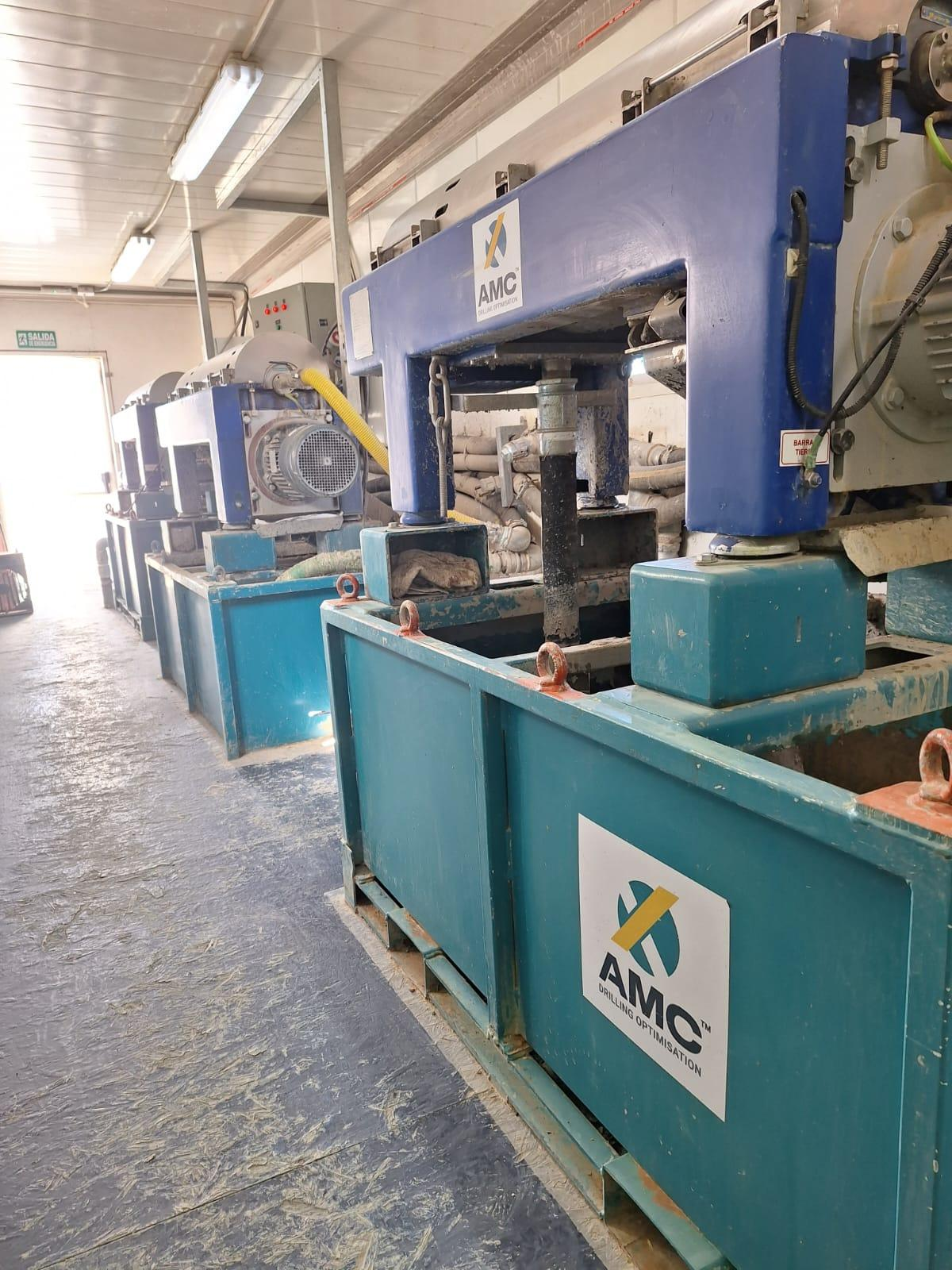
IMDEX delivered an integrated drilling fluids solution comprising four Ultra Lightweight SRU units, drilling fluids, mud program execution and 24/7 onsite technical support. The SRU units were installed in a centralised plant to simultaneously process drilling fluid returns from nine surface drill rigs.
By removing drilled solids and recycling drilling fluids back into the drilling process, the operation was able to recover and reuse water and additives while reducing the volume of waste requiring management and disposal. The integrated solution helped maintain and optimise drilling performance while supporting the site’s environmental and operational objectives.
The results
• 40,000m³ of water saved annually
• 61% reduction in drilling fluid additive consumption
• Approximately USD $1 million in annual cost savings
• Reduced dependence on freshwater supply sources
• Lower transportation requirements associated with water, additives and waste management
Beyond Water Savings
Drilling fluid recovery significantly reduced waste volumes and the amount of return mud requiring management and disposal. This helped minimise sump accumulation, reducing the handling, transport and logistics associated with final disposal. Fewer truck movements for water delivery and waste removal contributed to lower transport related emissions and reduced exposure to vehicle-related safety risks. The reduction in additive consumption also decreased manual handling requirements, helping limit personnel exposure to repetitive lifting tasks, chemical handling and fatigue in demanding operating conditions.