
.png)
.png)
.png)





.png)

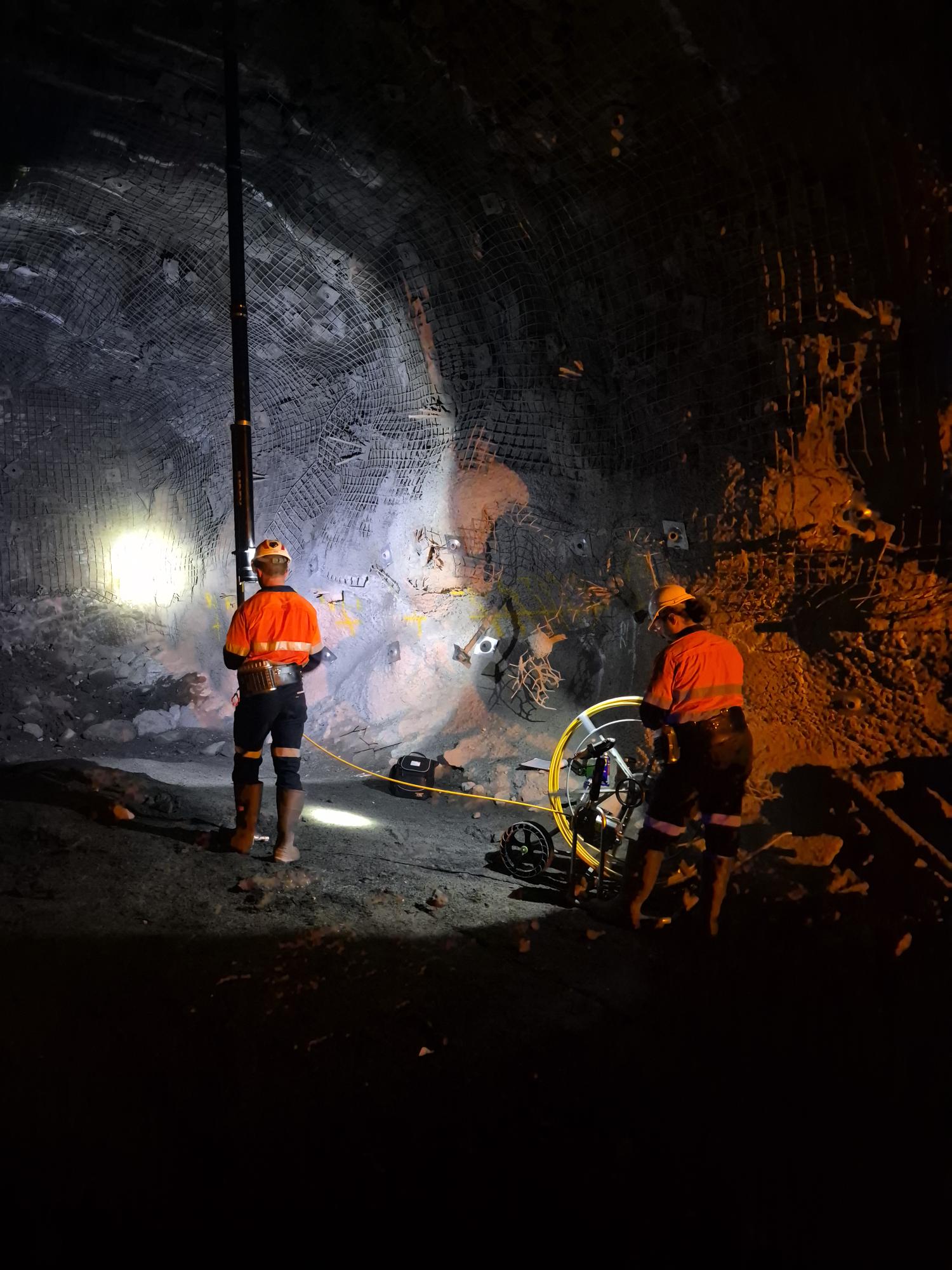
In the June/July edition of Australasian Drilling, IMDEX APAC BDM Adam Jennings explores why hole position remains one of the most important, and often overlooked, variables in drill and blast performance, and how real-time downhole surveying is helping operations make better decisions before charging begins.
The cost of not knowing
A blast hole that finishes outside design tolerance does more than miss its planned position. It alters burden, spacing and explosive distribution, introducing variability into the blast before it has even been fired.
The consequences extend well beyond drilling. Fragmentation, dig rates, haul cycles, crusher performance and overall productivity can all be influenced by where holes actually end up. When hole position isn't measured, these downstream impacts are often attributed to other parts of the process.
Moving beyond assumptions
Every hole is affected by factors such as geology, ground conditions, rig setup and drilling practices. While some variables are difficult to control, knowing where a hole actually finishes should not be.
Traditional approaches often rely on planned coordinates, assumed rig alignment or delayed survey feedback. By the time issues are identified, corrective action is no longer possible and the blast has already been charged.
Why surveying matters
Surveying provides the missing link between drilling execution and blast outcomes.
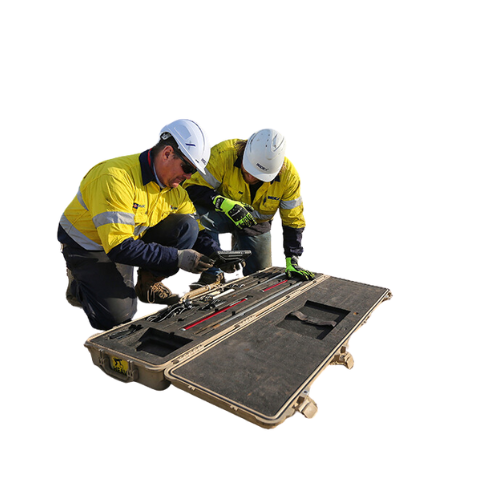
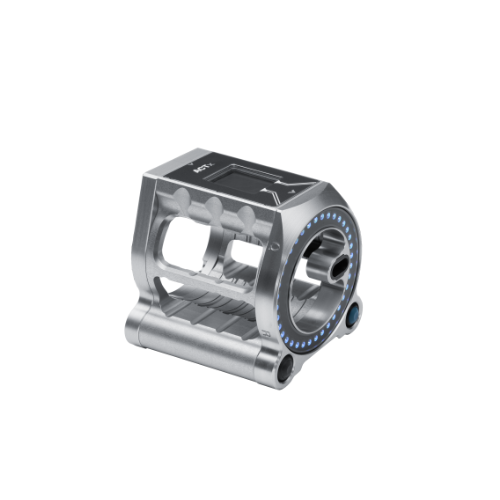
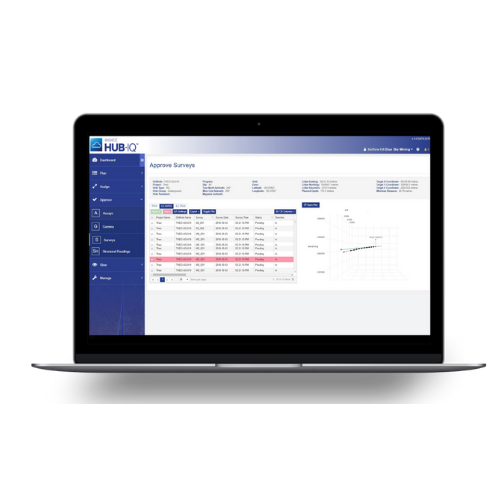
Solutions such as OMNIxBOLT deliver accurate north-seeking azimuth and inclination measurements, enabling operations to verify hole position before charging. Combined with rapid reporting through SURVEYxMINE, survey data becomes available when decisions still matter, at the bench, not after the blast.
This shifts drilling from an assumption-based process to a measurement-based one, allowing teams to identify deviations, understand their impact and take action before costs flow downstream.
The optimisation opportunity
The challenge facing most operations is no longer access to data. It's using trusted data in time to influence outcomes.
If hole position affects blast performance, and blast performance influences every stage that follows, surveying is not simply a verification step. It's a fundamental part of drill and blast optimisation.
Because if you're not measuring where your holes end up, you're not truly optimising the blast.
Read Adam's full feature on pages 56 and 57 of the June/July edition of Australasian Drilling Magazine.